Comprehensive Mold Inspection Guide: Protect Your Home and Health Today!
Mold has the ability to stealthily enter households, presenting significant dangers to both structural stability and well-being. Understanding its impact is crucial for homeowners. Regular mold inspections can uncover underlying concerns before they intensify. This guide provides key facts concerning mold, its impacts on wellness, and successful preventive measures. Homeowners need to be proactive. Discover the key steps to guarantee a safe residential space. What should you do if mold is detected in your property?
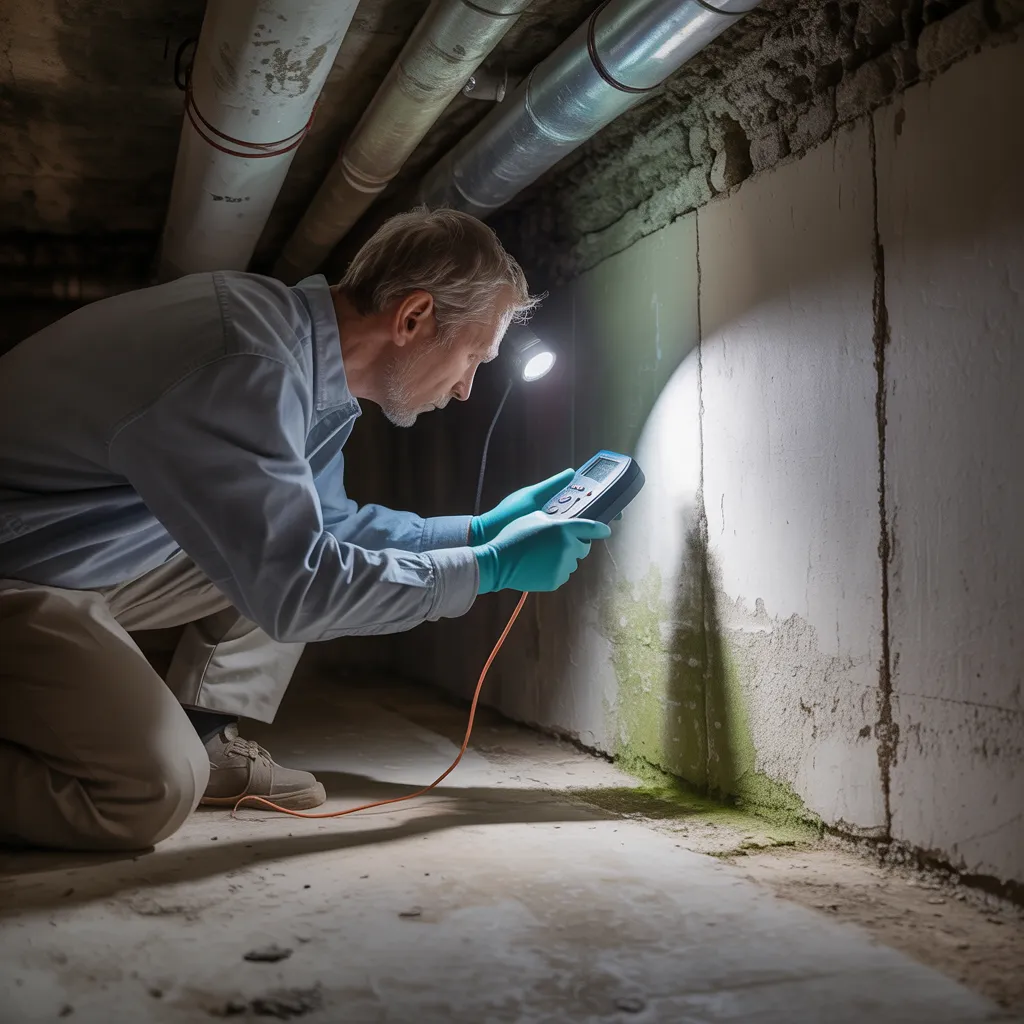
What Is Mold and Why Is It a Concern?
Mold, a fungal species, flourishes in damp environments and may present substantial health risks. This organism multiplies by dispersing spores into the air, which can quickly disperse all through a home. Mold commonly manifests in various colors, including black, green, and white, and often grows in obscured locations such as behind walls, under carpets, and in basements.
The existence of mold raises concerns due to its potential to damage building materials and surfaces. Furthermore, it can generate unpleasant odors, signaling potential moisture concerns. Mold growth can result from leaks, excessive humidity, or inadequate ventilation, making it crucial for homeowners to monitor their environments. Regular inspections can help discover mold issues early, stopping extensive damage and ensuring a safe living space. Understanding mold's characteristics and behaviors is essential for effective prevention and control measures, safeguarding both property and well-being.
Health Dangers Associated with Mold
Mold exposure may result in numerous health problems, emphasizing the necessity of awareness and prevention. Those suffering from respiratory ailments, such as asthma or chronic obstructive pulmonary disease (COPD), might suffer from exacerbated symptoms as a result of mold exposure. Typical responses encompass coughing, wheezing, and shortness of breath. Additionally, mold can induce allergic responses in sensitive individuals, resulting in symptoms like sneezing, nasal congestion, and skin rashes.
Continuous exposure might also bring about more severe health issues, such as fungal infections, specifically in those with impaired immune systems. Some molds generate mycotoxins, which can have neurotoxic effects, conceivably affecting cognitive function and overall health. Furthermore, continued exposure might cause fatigue and mood disturbances. As a result, understanding the health risks connected to mold is critical for safeguarding your wellness and ensuring a safe living environment. Regular inspection and immediate remediation play vital roles in decreasing these health hazards.
Typical Indicators of Mold Infestation in Your House
Detecting mold contamination in a home often starts with observable signs. Apparent mold growth on surfaces, accompanied by persistent musty odors, can signal an underlying problem. Homeowners should be watchful about these indicators to address potential mold issues quickly.
Noticeable Mold Growth
When a home experiences moisture problems, visible mold development often turns into a concerning indicator of underlying issues. Homeowners may first notice mold as dark blotches or fuzzy areas on ceilings, walls, or various surfaces. Common locations for mold include basements, bathrooms, and areas experiencing leaks or poor air circulation. Mold coloration can differ, displaying black, white, or green hues, depending on the type. It is critical to handle visible mold immediately, as it can indicate excessive moisture levels and health concerns. Disregarding visible mold might lead to more severe damage and harder remediation. Regular inspections can help identify mold growth early, facilitating immediate remediation and protecting both the property and residents.
Musty Smells Detected
Unpleasant musty smells frequently occur alongside visible mold growth, acting as another clear indicator of moisture problems in a residence. These foul smells develop from the spores and mycotoxins emitted by mold during its breakdown of organic substances. Residents need to stay watchful, because moldy odors can reveal hidden mold formation in places such as behind walls, under flooring, or within attics and basements. Even without visible mold present, ongoing musty odors may indicate a moist environment favorable to mold growth. Immediate action is essential to prevent further infestation and potential health risks. Handling the origin of dampness and executing a detailed assessment can help reduce the problem and enhance indoor air quality.
The Safe Way to Remove Mold
Proper mold removal is crucial for maintaining a healthy living environment. To remove mold securely, one should first locate the affected areas and determine the extent of the infestation. Wearing protective gear, including gloves, goggles, and a mask, is critical to prevent exposure to mold spores.
For smaller spaces, a solution of mild detergent mixed with water can efficiently clean surfaces. Alternatively, a mixture of one cup of bleach to one gallon of water may be applied for stubborn buildup, while ensuring proper ventilation during the application.
After scrubbing the moldy surfaces, it is vital to dry the area thoroughly to prevent regrowth. Discarding contaminated materials, such as carpets or drywall, may be needed if they are severely affected. Monitoring humidity levels and ensuring proper ventilation can further reduce the chances of mold returning. Consistent maintenance and vigilance are key to a mold-free environment.
When Should You Call a Mold Inspector?
How do homeowners determine the right time to get in touch with a mold inspector? It is essential for homeowners to remain vigilant concerning potential mold issues. If there are visible signs of mold growth, such as black or green patches on walls, ceilings, or floors, it is wise to seek professional inspection. In addition, homeowners should consider reaching out to an inspector if they detect a musty odor, which often points to hidden mold presence. Recent water damage, leaks, or flooding can also increase the risk of mold growth; in these cases, timely inspection is necessary. Health concerns, such as unexplained allergic reactions or respiratory issues among household members, may warrant professional evaluation as well. Finally, if a home is being prepared for sale, a mold inspection can provide peace of mind to potential buyers and verify compliance with health regulations. Prompt action can help lessen risks associated with mold exposure and preserve the integrity of the home.
Smart Mold Defense Methods for Homeowners
Home residents can greatly lower the risk of mold growth by employing effective prevention strategies. Important practices include upholding regular moisture control, ensuring sufficient ventilation, and conducting periodic home inspections. By implementing these approaches, homeowners can develop a healthier living environment and shield their homes from mold-related complications.
Consistent Water Regulation
Although numerous property owners might overlook the significance of moisture management, it functions as an essential barrier against mold growth. Keeping optimal moisture levels within the home is vital for preventing mold spores from thriving. Homeowners should consistently check areas susceptible to moisture accumulation, such as basements, bathrooms, and kitchens. Fixing water leaks quickly and ensuring that roofs and gutters are in good condition can significantly minimize moisture entry. Furthermore, employing dehumidifiers in damp areas can help maintain a balanced environment. It is important to monitor indoor plants and aquariums, as they can contribute to excess humidity. By applying these moisture control strategies consistently, homeowners can efficiently decrease the risk of mold infestation and protect both their property and health.
Correct Airflow Techniques
Guaranteeing adequate ventilation is a vital step in preventing mold growth within a home. Sufficient airflow reduces humidity levels, rendering environments less conducive to mold development. Homeowners should concentrate on key areas such as kitchens, bathrooms, and basements, where moisture typically collect. Installing exhaust fans in these spaces can effectively expel humid air outside. Furthermore, opening windows and doors when weather permits allows fresh air circulation, further reducing humidity. Using dehumidifiers can also help maintain appropriate moisture levels, especially in areas prone to dampness. Routinely checking and cleaning vents and ducts ensures unobstructed airflow, while ensuring that attic and crawlspace vents are functional helps eliminate excess moisture. These strategies collectively promote a healthier, mold-free living environment.
Routine Home Inspections
Regular property inspections serve a critical function in successful mold prevention approaches. By carefully evaluating moisture-vulnerable spaces, such as basements, bathrooms, and attics, residents can recognize prospective mold formation before it intensifies. Inspectors should check for leaks, condensation, and inadequate drainage systems, as these conditions often encourage mold proliferation. Furthermore, assessing airflow and moisture content is crucial, since still air can encourage mold formation. Property owners are recommended to perform these examinations at minimum twice yearly and following major weather occurrences. Hiring professional support can further optimize the inspection method, assuring detailed inspections and expert suggestions. Ultimately, proactive routine inspections empower homeowners to maintain a healthy living environment by mitigating mold risks effectively.
Steps to Take Immediately After Uncovering Mold in Your Home
After detecting mold in a home, swift action is necessary to prevent further contamination and health dangers. The first step is to evacuate the area, guaranteeing that people, especially those with respiratory conditions, are safe from exposure. Next, the see the full story source of moisture must be found and fixed, as mold thrives in damp environments. Homeowners should then restrict the mold by cordoning off the affected area to prevent spores from spreading. This can be completed with plastic sheeting and duct tape.
After containment, it is suggested to wear protective equipment such as gloves, masks, and goggles before initiating cleanup. Small patches of mold can often be cleared with soap and water or a mixture of vinegar and water. However, for large-scale infestations, professional remediation services are advised to guarantee thorough removal and to prevent recurrence. Quick and decisive actions will minimize health risks and protect the home's structural integrity.
Your Questions Answered
How Much Does a Mold Inspection Typically Cost?
Mold inspection costs typically range between $300 and $600, varying with factors such as location, property size, and the complexity of the inspection. Extra charges may apply for additional testing or remediation services.
Am I Able to Do a Mold Inspection Myself?
Individuals can indeed conduct a mold inspection on their own, though it necessitates understanding of mold varieties and development conditions. Correct instruments and procedures are crucial to properly determine the conditions and assure complete assessment.
How Long Does a Mold Inspection Take?
A mold inspection typically takes between one and three hours, depending on the property size and complexity. Factors such as access points and mold severity also determine the inspection duration.
What Certifications Should a Mold Inspector Hold?
A certified mold inspector ought to hold qualifications in mold inspection, expertise in building science, and knowledge of environmental health. Practical experience, together with adherence to industry standards, is also essential for thorough assessments.
Is Mold Testing Necessary Before Removal?
Mold testing is often considered necessary before removal to establish the nature and scope of contamination. This information helps in developing an effective remediation plan, making certain that all affected areas are correctly handled and future growth is stopped.